· Launchbox Team · Coworking · 6 min read
The Health and Wellness Benefits of Coworking Spaces
Your workspace affects your health more than you think. Here is how coworking spaces address the physical and mental toll of working from home.

Most conversations about coworking focus on productivity, networking, and cost savings. Fair enough. But there is another angle that does not get enough attention: your health.
The way you work affects how you feel. Physically, mentally, and emotionally. And for the growing number of people in Pakistan who work from home, the setup is often quietly damaging in ways they do not notice until the back pain sets in, the motivation disappears, or the isolation becomes hard to shake.
Coworking spaces are not wellness retreats. But a good one addresses several health problems that home offices create.
Your body was not designed for your dining table
Let’s start with the obvious. Most people working from home are not sitting at an ergonomic workstation. They are on a sofa, a bed, a dining chair, or a plastic chair at a desk that is the wrong height. After a few months of this, the complaints start: lower back pain, stiff neck, headaches, eye strain.
The problem is not that people are lazy about their setup. It is that proper ergonomic furniture is expensive, and most homes do not have a dedicated office space.
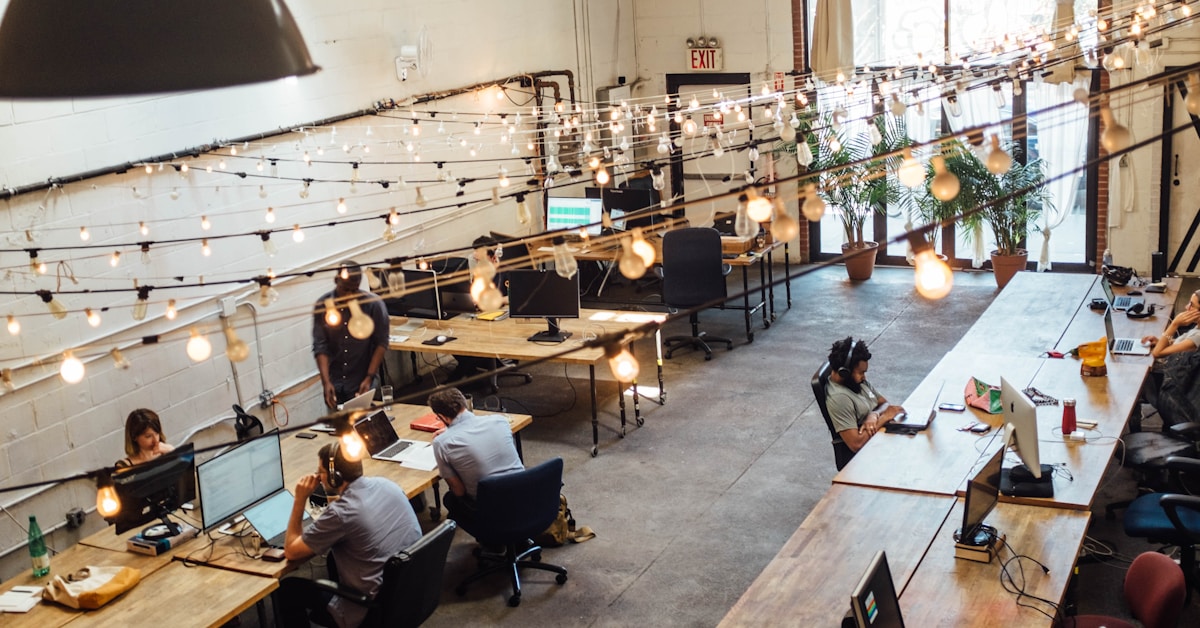
Good coworking spaces invest in this. Proper chairs that support your back for eight hours. Desks at the right height. Lighting that does not strain your eyes. Air conditioning that keeps the temperature consistent. These sound like small things until you compare how your body feels after a full day at a properly set up desk versus a day hunched over your laptop on the sofa.
At Launchbox, every desk has a proper chair, good lighting, and access to power outlets so you are not craning your neck to reach a socket across the room. It is not glamorous. It is just correct, and correct matters when you are sitting for seven or eight hours a day.
The mental health cost of working alone
This is the one people do not talk about enough. Working from home full-time, especially in a freelance or remote setup where your team is distributed, means spending most of your day alone. No coworkers to chat with. No lunch with colleagues. No casual “how was your weekend” at the water cooler.
For the first few months, this feels like freedom. No office politics, no commute, no small talk you do not want. But over time, the isolation compounds. You start feeling disconnected. Your motivation dips. The line between work and personal life blurs until neither feels satisfying.
Coworking spaces do not fix every mental health challenge. But they address isolation in a simple, practical way: they put you around other people. Not in a forced, networking-event way. Just in a “there are other humans here doing the same thing you are doing” way.
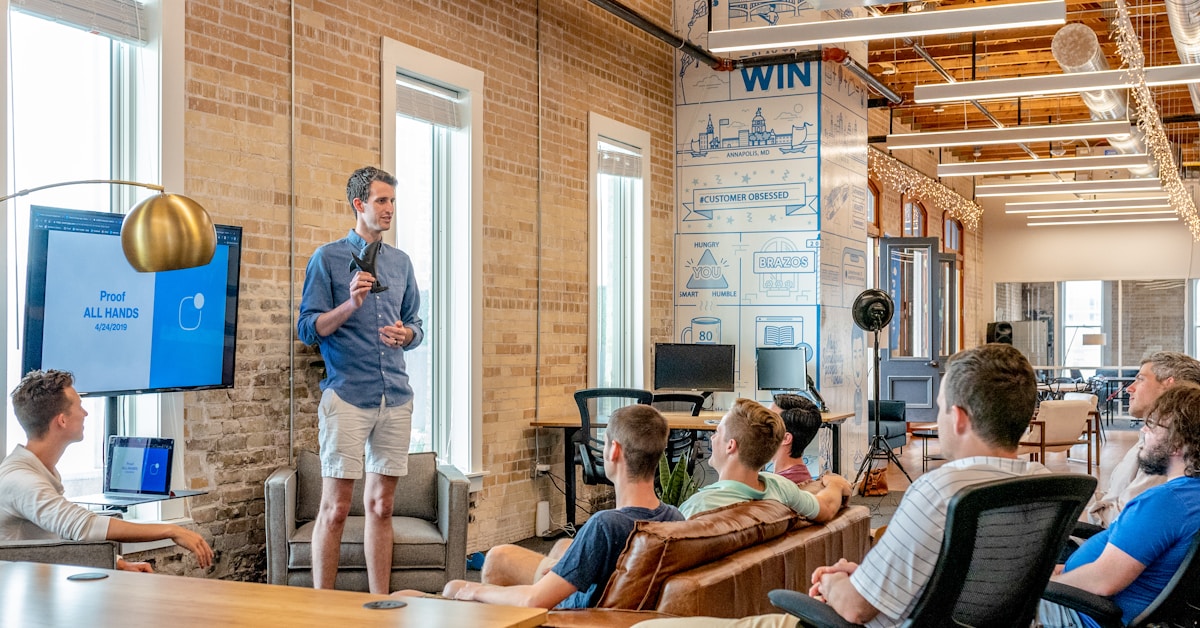
At Launchbox, the community forms naturally. You see the same faces every day. You nod hello. You share a table at lunch. Over weeks, these small interactions add up into something that feels like belonging. For remote workers who spend their evenings on Zoom calls with teams in other timezones, having a daytime community makes a real difference.
The routine your body and mind need
Humans function better with structure. Not rigid, military-style structure, but a rhythm: wake up, commute, work, break, work, go home. This rhythm signals to your brain when to focus and when to rest.
Working from home destroys this rhythm. You roll out of bed, open your laptop, and the day blurs together. There is no clear start, no clear end, and no physical transition between “work mode” and “life mode.” Your brain never fully switches on for work because it never fully switches off.
Going to a coworking space rebuilds the rhythm. You get dressed, you commute (even a short one), you arrive at a place that is designed for work, and you leave when the day is done. Your brain gets clear signals: this is work time, this is not.
Members at Launchbox often say this was the biggest unexpected benefit. Not the internet, not the community, but the simple fact of having a place to go to in the morning and a reason to leave in the evening. That boundary between work and rest is essential for long-term sustainability.
Food and breaks that actually recharge you
When you work from home, lunch is whatever is in the fridge (or whatever you can order fastest on a delivery app). Breaks are scrolling your phone. Neither is recharging.
Coworking spaces in good locations give you better options. Launchbox is in DHA Phase 5, surrounded by restaurants, cafes, and food options within a five-minute walk. Stepping out for lunch means fresh air, movement, and an actual change of scene. The pantry has tea and coffee throughout the day.
The physical act of standing up, walking somewhere, eating with other people, and coming back refreshed is simple but underrated. It breaks the sedentary pattern that home offices encourage, and it gives your brain the reset it needs for the afternoon.
Social health is real health
This is not soft science. Social connection is a fundamental human need. Studies consistently show that loneliness has health effects comparable to smoking. People who feel connected to a community are healthier, happier, and more productive.
For freelancers and remote workers, the coworking community fills a gap that used to be filled by the office. You do not need to become best friends with everyone in the space. Just having regular, low-pressure interactions with people who understand your work life is enough to make a measurable difference.
It adds up
No single thing on this list is revolutionary. A better chair, some human contact, a routine, a decent lunch. But together, they address the health problems that quietly accumulate when you work from home for months or years.
The freelancers and remote workers who sustain their careers over the long term are the ones who invest in their workspace and well-being, not just their skills and client pipeline. A coworking membership is not just a business expense. It is a health decision.
If your current setup is a dining table, a plastic chair, and an inverter that gives you two hours of backup, consider what that is costing you in back pain, energy, and motivation. A Flexible Desk at Launchbox is PKR 15,000/month. Your body and your brain are worth that.
- coworking
- wellness