· Launchbox Team · Coworking Lahore · 13 min read
The Rise of Coworking in Pakistan: 2026 Trends
How coworking is growing across Pakistan in 2026 — the freelancer boom, remote work trends, startup culture, and why shared workspaces are becoming the default for independent professionals.
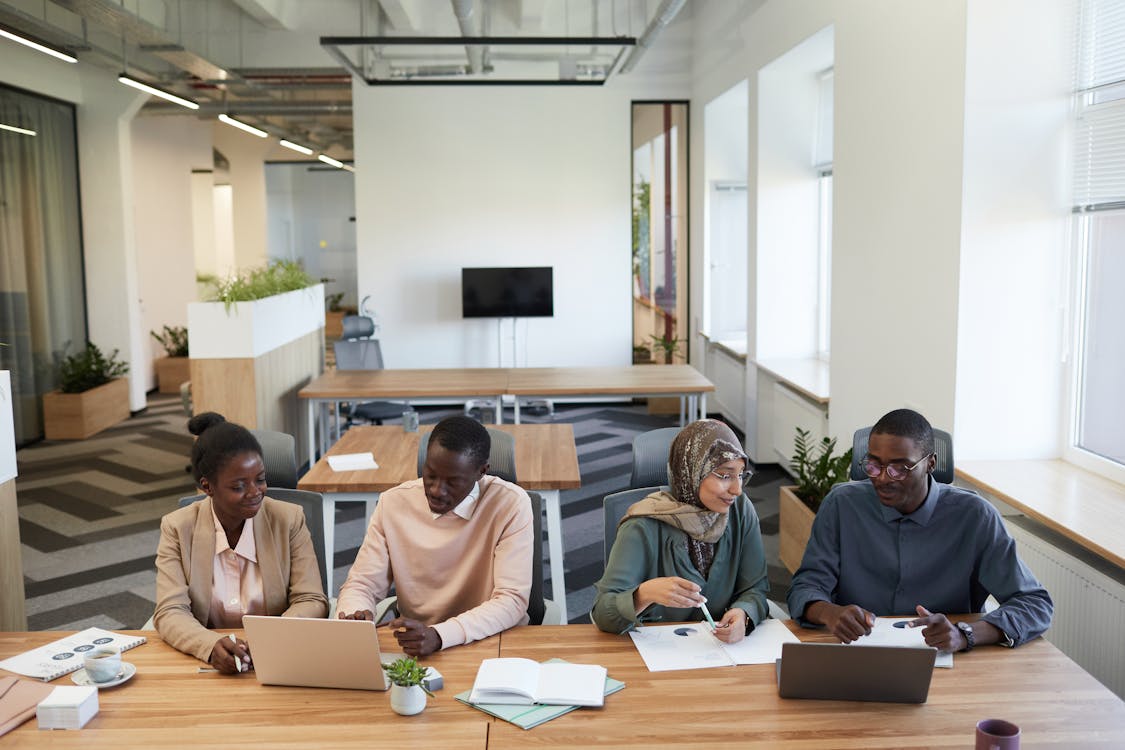
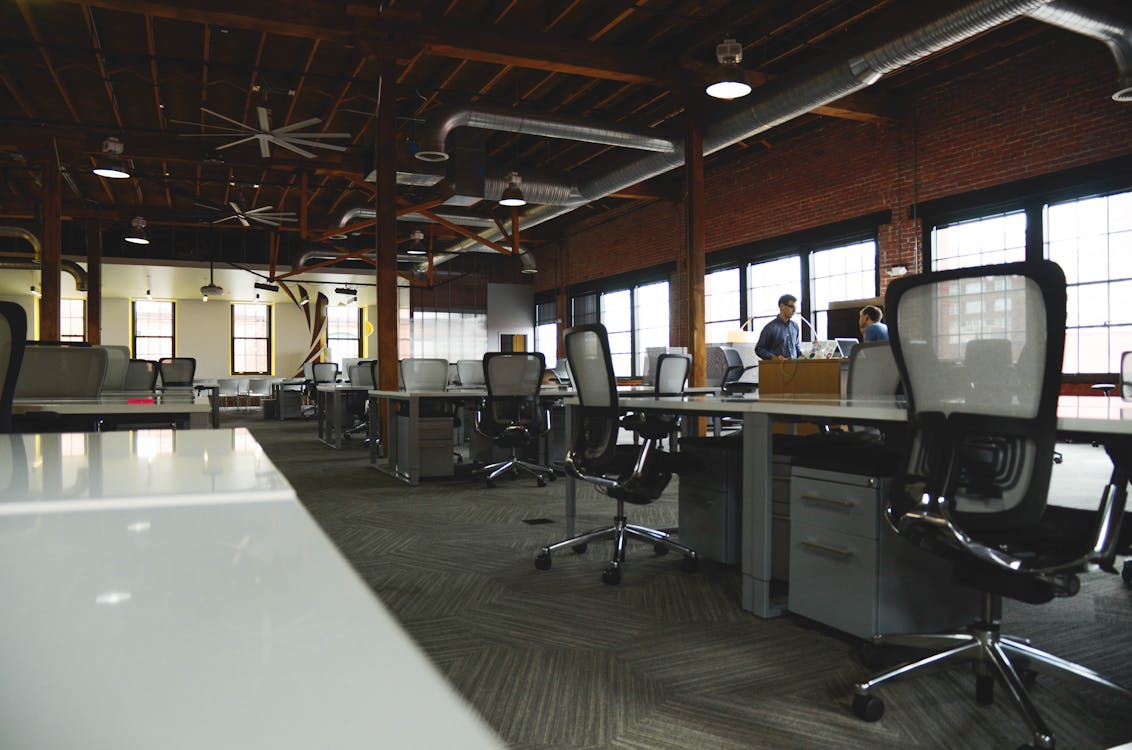
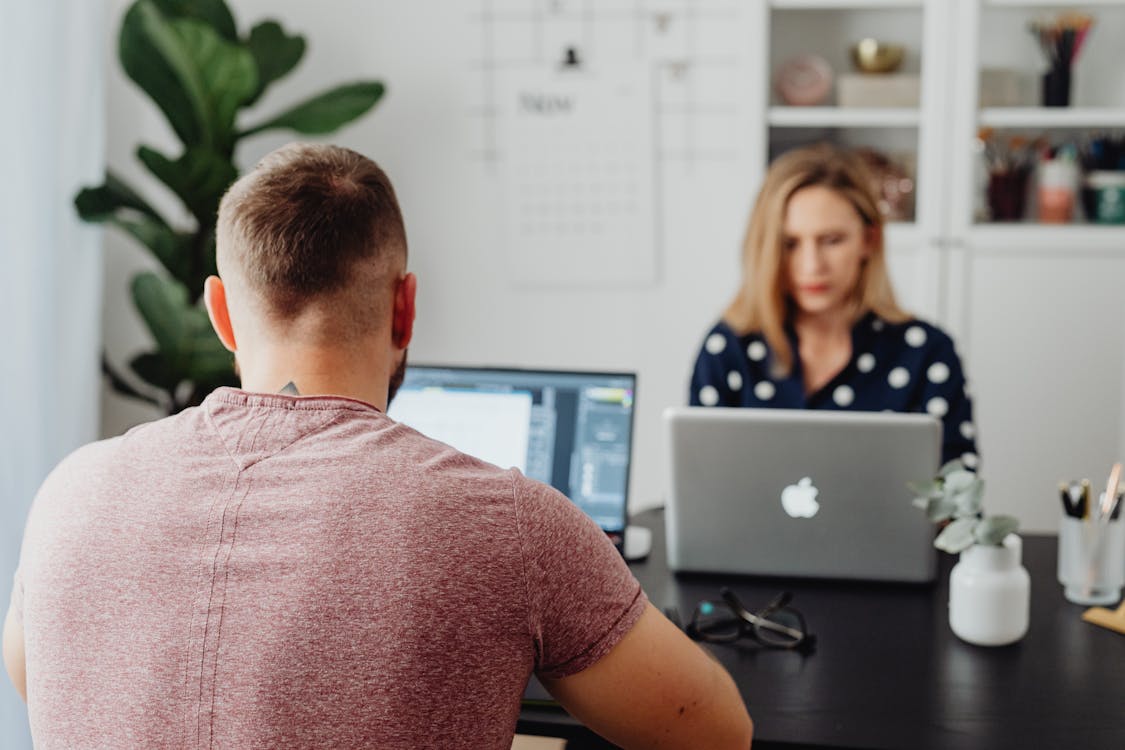
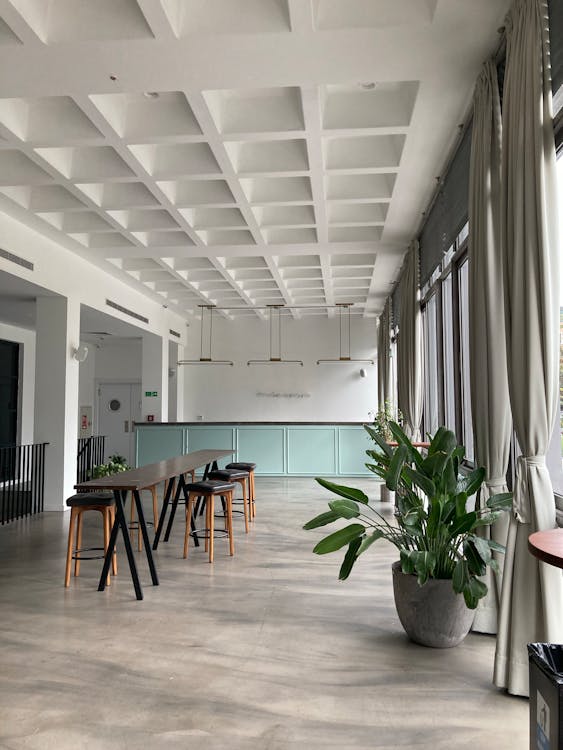
Five years ago, if you told someone in Lahore that you worked out of a shared office, they would have assumed your business was not doing well enough to afford its own space. Today, coworking is not just accepted — it is preferred. Freelancers, startup founders, remote employees at international companies, and even small agencies are choosing shared workspaces over traditional offices and home setups. This is not a passing trend. It is a structural shift in how Pakistan works.
What is driving it? A combination of forces that all hit at the same time: a massive freelancer population that needs professional infrastructure, remote work going from a pandemic experiment to a permanent arrangement, and a generation of workers who have realized that the dining table is not a great place to build a career.
Pakistan’s Freelancer Boom Is Real — and It Is Still Accelerating
Pakistan consistently ranks among the top five freelancing countries in the world. Depending on which report you read, somewhere between two and four million Pakistanis are actively earning through platforms like Upwork, Fiverr, Toptal, and direct international clients. The IT ministry has pushed freelancing hard over the past few years, and the results are visible. In cities like Lahore, Karachi, and Islamabad, freelancing is no longer a side hustle — it is the main hustle for a growing number of professionals.
Here is the thing most people miss about this boom: freelancers are not all twenty-two-year-olds doing data entry. The market has matured. Pakistani freelancers are building serious careers in software development, UI/UX design, content strategy, digital marketing, video production, and financial consulting. These are people billing $30, $50, or $100 an hour. They are on client calls at odd hours with teams in New York and London. They need workspaces that match the caliber of the work they are doing.
You cannot take a $75/hour strategy call from your bedroom while your family watches television in the next room. You cannot deliver a client presentation when the power goes out mid-sentence and your home UPS only covers the wifi router. This gap between the sophistication of the work and the limitations of working from home is exactly what has fueled the demand for professional coworking spaces.
The Pandemic Changed Everything — Then the Change Stuck
When COVID hit in 2020, the entire country was forced into remote work almost overnight. Companies that had never allowed a single work-from-home day suddenly had their entire teams operating from bedrooms and living rooms. For a while, it worked. People adapted. Zoom became a verb.
But then something interesting happened. When offices reopened, a significant chunk of people did not want to go back. They had tasted the freedom of not commuting through Lahore traffic for ninety minutes each way. They liked controlling their own schedule. International companies, meanwhile, discovered that they could hire talented Pakistanis at competitive rates without opening a local office. Remote work was no longer emergency mode — it was just work.
The problem is that “remote” does not have to mean “from home.” And after six years, the novelty of home offices has worn thin. The isolation gets to people. The boundaries between work and personal life dissolve. The internet drops during a critical call, and there is nobody to call except your ISP’s hold music. Coworking solves the practical problems of remote work without taking away the flexibility. You still set your own hours. You still skip the corporate commute. But you get a desk that is yours, internet that works, power that does not cut out, and actual human beings to talk to during lunch.
Three Cities, Three Different Stories
Coworking is growing across Pakistan, but each major city has its own dynamic.
Lahore: The Freelancer Capital
Lahore has arguably the most active coworking scene in Pakistan right now, driven largely by its massive freelancer population. The city has a particular concentration of designers, developers, and digital marketers who work with international clients. New spaces have been opening steadily in DHA, Gulberg, and Johar Town, with DHA Phase 5 and Gulberg III emerging as the primary coworking corridors.
What makes Lahore’s scene distinct is its accessibility. Unlike Karachi, where premium spaces dominate, Lahore has a healthy range of options from budget-friendly desks at PKR 8,000 per month to fully serviced private cabins. The competition has been good for pricing — you can now get a flexible desk with reliable internet and full power backup starting at PKR 15,000 per month, which would have cost significantly more just two years ago.
Karachi: Corporate and Premium
Karachi’s coworking market skews more corporate. You will find larger, more polished spaces in Clifton, the I.I. Chundrigar Road financial district, and Shahrah-e-Faisal. The clientele tends to include small agencies, consulting firms, and satellite teams of larger companies rather than individual freelancers. Pricing reflects this — entry points are generally higher, and there are fewer day pass options. Karachi also contends with more severe infrastructure challenges, making generator backup and internet redundancy even more critical selling points for spaces there.
Islamabad: Government, Tech, and Startups
Islamabad is a smaller market, but it punches above its weight. The presence of NITB, the IT ministry, and organizations like the National Incubation Center means the startup-to-coworking pipeline is strong. Spaces in the Blue Area, F-6, and F-7 cater to tech startups and government-adjacent consultants. The city also benefits from better baseline infrastructure — fewer power outages, cleaner streets, and generally more reliable internet — which means coworking spaces compete more on community and amenities than on the basics.
What Is Actually Driving the Demand
If you talk to people who have switched from home offices to coworking, the reasons are remarkably consistent. It is not about fancy furniture or free coffee. The drivers are practical and, honestly, a bit unglamorous.
- Power. Load-shedding remains a fact of life in most Pakistani cities. Even in relatively stable areas like DHA Lahore, summer outages happen. A home UPS keeps your router on for an hour, maybe two. A coworking space with full generator backup means zero interruptions. When your livelihood depends on being available for a client call at a specific time, that reliability is not a perk — it is the entire point.
- Internet. Home internet in Pakistan has improved dramatically, but it is still inconsistent. ISPs throttle during peak hours. Fiber connections go down when it rains. At a good coworking space, you get a dedicated business-grade connection with a backup line. The difference between 95% uptime and 99.9% uptime sounds small until you lose a client because your connection dropped during a screen-share.
- Professional environment. There is a psychological shift that happens when you sit down at a proper desk in a proper workspace. You work differently. You are more focused, more productive, and more professional on calls. Clients can hear the difference between someone working from a quiet office and someone whispering to avoid waking up a sleeping family member.
- Community. Freelancing is isolating. Working from home for years on end, your professional world shrinks to a laptop screen. Coworking spaces put you in proximity with other people doing similar work. Not in a forced-networking way, but in a natural, “we are all here getting things done” way. You meet people at the tea station. You overhear someone solving a problem you had last week. These small interactions add up.
- Separation of work and life. This one is underrated. When your office is your bedroom, you never fully leave work. The laptop is always right there. A physical commute — even if it is just fifteen minutes to a coworking space — creates a boundary. You go to work. You come home. Your brain gets the signal that the day is over.
The Lahore Coworking Scene in 2026
Lahore specifically has seen a noticeable acceleration in the last eighteen months. Spaces that were half-empty in 2024 are now running at or near capacity. New spaces are opening in DHA, Gulberg, and increasingly in areas like Garden Town and Township as the market expands beyond the premium zones.
DHA Phase 5 has become something of a hub. Its central location within the DHA network makes it accessible from Phases 3 through 8, Cantt, and even parts of Model Town and Iqbal Town via the Walton Road corridor. The commercial areas in DHA Phase 5 — particularly Sector C and the CCA blocks — have seen several coworking spaces open in the last two years. The area benefits from relatively stable power, strong fiber internet infrastructure from providers like StormFiber and PTCL, and proximity to food, banks, and other daily necessities on Khayaban-e-Shahbaz.
Gulberg remains popular for its central location and access to major roads, though parking and traffic congestion during business hours remain persistent challenges. Johar Town has emerged as a budget-friendly alternative, particularly popular with university students who freelance alongside their studies.
If you are exploring options in the city, our guide to the best coworking spaces in Lahore covers the key players, pricing, and what each area offers.
Pricing Has Become More Accessible
One of the most positive trends in 2026 is that coworking pricing has come down relative to what you get. Competition has been healthy. Spaces that charged PKR 20,000 for a basic hot desk two years ago have had to adjust as newer, better-equipped spaces entered the market at lower price points.
Today, you can find solid options across a range of budgets:
- Day passes: PKR 1,000 to PKR 2,000 per day. A good option if you only need a workspace two or three days a week, or if you want to test a space before committing. At Launchbox, a day pass is PKR 1,500.
- Flexible desks: PKR 8,000 to PKR 15,000 per month. Shared seating on a first-come, first-served basis. Best for freelancers who want a regular workspace but do not need a fixed spot.
- Dedicated desks: PKR 14,000 to PKR 22,500 per month. Your own desk, your own setup, available whenever you want it. Most people who work full-time from a coworking space end up on a dedicated desk plan.
- Private cabins: PKR 20,000 to PKR 40,000 per person per month, usually with a minimum team size. Ideal for startups and small agencies that want their own enclosed space within a coworking environment.
The day pass model has been particularly important for accessibility. Not everyone needs a monthly membership. Some people work from home three days a week and need a proper workspace for the other two — the days they have client calls or need to focus on a big deliverable. Day passes make coworking available to people who would never have considered a monthly commitment. Check our current pricing plans for a detailed breakdown.
A small nudge
Ready to try coworking in Lahore?
Launchbox offers day passes at PKR 1,500, flexible desks from PKR 15,000/month, and dedicated desks from PKR 22,500/month — all with full power backup and high-speed internet in DHA Phase 5.
What to Expect in the Next Few Years
The coworking market in Pakistan is still early. We are not at saturation — far from it. Here is what we see coming over the next two to three years.
Niche spaces will emerge
Right now, most coworking spaces are generalist. They serve anyone who needs a desk. As the market matures, expect to see spaces designed for specific audiences: video creators who need studio setups, developers who want dual-monitor rigs and standing desks as standard, women-only spaces in cities where that demand exists, and spaces specifically geared toward e-commerce sellers who need inventory storage alongside desk space.
Internet infrastructure will keep improving
Pakistan’s fiber footprint is expanding. More neighborhoods are getting access to 100+ Mbps connections. This helps home workers, yes, but it also raises the bar for coworking spaces. If someone can get 100 Mbps at home, the coworking space needs to offer something better — redundant connections, guaranteed uptime SLAs, or enterprise-grade networking. The spaces that invest in infrastructure will win.
Startup hubs will cluster around coworking
In every market where coworking has matured, the spaces become de facto startup hubs. Investors know where to find founders. Service providers — accountants, lawyers, designers — set up shop nearby. Events happen organically. Lahore is already moving in this direction, particularly in DHA. Expect this clustering effect to accelerate as the ecosystem grows.
Hybrid models will become standard
The rigid monthly membership is giving way to more flexible arrangements. Pay-per-day, pay-per-hour, evening-only passes for people with day jobs, weekend passes for side projects — the spaces that offer flexibility in how people pay will capture a much larger audience than those locked into monthly-only models.
Frequently Asked Questions
Why is coworking growing so fast in Pakistan?
Pakistan has one of the world’s largest freelancer populations, with millions earning through platforms like Upwork, Fiverr, and Toptal. As remote work has become permanent for many professionals, the demand for reliable workspaces with stable internet and power backup has surged. Home offices often struggle with load-shedding, inconsistent internet, and household distractions — making coworking spaces a practical necessity. The combination of a growing digital workforce and infrastructure gaps at home is driving adoption across Lahore, Karachi, and Islamabad.
How much does coworking cost in Pakistan in 2026?
Pricing varies by city and plan type. In Lahore, day passes start around PKR 1,500, flexible desks range from PKR 10,000 to PKR 15,000 per month, and dedicated desks cost PKR 15,000 to PKR 22,500 per month. Private cabins for teams start around PKR 20,000 per person per month. Karachi and Islamabad have similar ranges, with premium areas commanding higher prices. At Launchbox in DHA Phase 5, you can view all plans starting from PKR 1,500/day.
Which Pakistani city has the best coworking scene?
Each city has its strengths. Lahore leads in the number of new spaces and has the largest freelancer community, with strong growth in DHA and Gulberg. Karachi has more corporate and premium options, particularly in Clifton and the financial district. Islamabad benefits from better baseline infrastructure and a close connection to the IT ministry and national incubation programs. For freelancers and independent professionals looking for the best balance of quality, community, and affordability, Lahore is the strongest market right now.
Is coworking worth it for freelancers in Pakistan?
For most freelancers, absolutely. When you add up the cost of a home UPS or generator, a dedicated internet connection, electricity bills for running AC in your workspace, and the productivity lost to load-shedding and household distractions, a coworking membership often costs the same or less than a proper home office setup. You also get a professional environment for client calls, clear boundaries between work and personal life, and a community of other professionals. If you want to try it before committing, book a free visit and spend a working day at the space to see the difference.
The Bottom Line
Coworking in Pakistan is not a trend being imported from Silicon Valley or London. It is a homegrown response to real, local problems: unreliable power, inconsistent internet, the isolation of remote work, and the high cost of traditional office leases. The freelancer boom provided the demand. The market is now catching up with the supply.
If you have been working from home and feeling the friction — the dropped calls, the load-shedding interruptions, the creeping isolation — it might be time to try a different setup. You do not have to commit to a monthly plan right away. Start with a day pass. Spend a real working day in a proper workspace and see how it changes your output and your mood.
At Launchbox, we are in DHA Phase 5, Lahore — purpose-built for freelancers and remote professionals who need internet that does not drop, power that does not cut out, and a quiet space to do their best work. Book a free visit and come see if it fits.
- coworking lahore